Aflutter Ecg. The ecg criteria to diagnose atrial flutter are discussed including clockwise and counterclockwise, typical vs atypical atrial flutter, and different conduction patterns such as 1:1, 2:1, 3:1, 4:1 and 5:1. Typical ecg findings include the presence of p waves and qrs complexes that have no association with each other , due to the atria and ventricles functioning independently. During atrial flutter the atria depolarize in an organized circular movement. Atrial flutter is diagnosed by you medical history, history of symptoms, and a physical exam. Afib and atypical aflutter requires more expertise and radiofrequency ablation has lower success rate. Differences between ecg wave strip patterns. Atrial flutter is an abnormal cardiac rhythm caused by rapid atrial activity usually from reentry atrial circuits. Atrial flutter is a supraventricular tachycardic arrhythmia that tends to occur in individuals of an advanced age, although it is linked to endurance sports, also. Sawtooth baseline → flutter waves. Typical atrial flutter is widely known and recognised easily by clinical cardiologists however it does not always present a typical electrocardiographic pattern. Atrial flutter is an abnormal heart rhythm that occurs in the atria of the heart. Electrocardiography (ecg or ekg) frequently makes the diagnosis by showing saw tooth flutter waves in several (ii, iii. How to make the difference between atrial fibrillation (afib) and atrial flutter and in particular between atypical atrial flutter and coarse atrial fibrillation. For our 4th lesson, we continue our look at atrial and junctional arrhythmias.we start off talking about one of the most common arrhythmias that you will. Atrial flutter causes characteristic ecg changes, as discussed below.
Aflutter Ecg - Ekg Dysrhythmias - Studyblue
Atrial Flutter - Causes, Symptoms, Treatment & Ablation. Differences between ecg wave strip patterns. Typical atrial flutter is widely known and recognised easily by clinical cardiologists however it does not always present a typical electrocardiographic pattern. Electrocardiography (ecg or ekg) frequently makes the diagnosis by showing saw tooth flutter waves in several (ii, iii. Sawtooth baseline → flutter waves. Atrial flutter is an abnormal heart rhythm that occurs in the atria of the heart. The ecg criteria to diagnose atrial flutter are discussed including clockwise and counterclockwise, typical vs atypical atrial flutter, and different conduction patterns such as 1:1, 2:1, 3:1, 4:1 and 5:1. How to make the difference between atrial fibrillation (afib) and atrial flutter and in particular between atypical atrial flutter and coarse atrial fibrillation. For our 4th lesson, we continue our look at atrial and junctional arrhythmias.we start off talking about one of the most common arrhythmias that you will. During atrial flutter the atria depolarize in an organized circular movement. Atrial flutter causes characteristic ecg changes, as discussed below. Atrial flutter is an abnormal cardiac rhythm caused by rapid atrial activity usually from reentry atrial circuits. Typical ecg findings include the presence of p waves and qrs complexes that have no association with each other , due to the atria and ventricles functioning independently. Atrial flutter is a supraventricular tachycardic arrhythmia that tends to occur in individuals of an advanced age, although it is linked to endurance sports, also. Atrial flutter is diagnosed by you medical history, history of symptoms, and a physical exam. Afib and atypical aflutter requires more expertise and radiofrequency ablation has lower success rate.
Atrial flutter is diagnosed by you medical history, history of symptoms, and a physical exam.
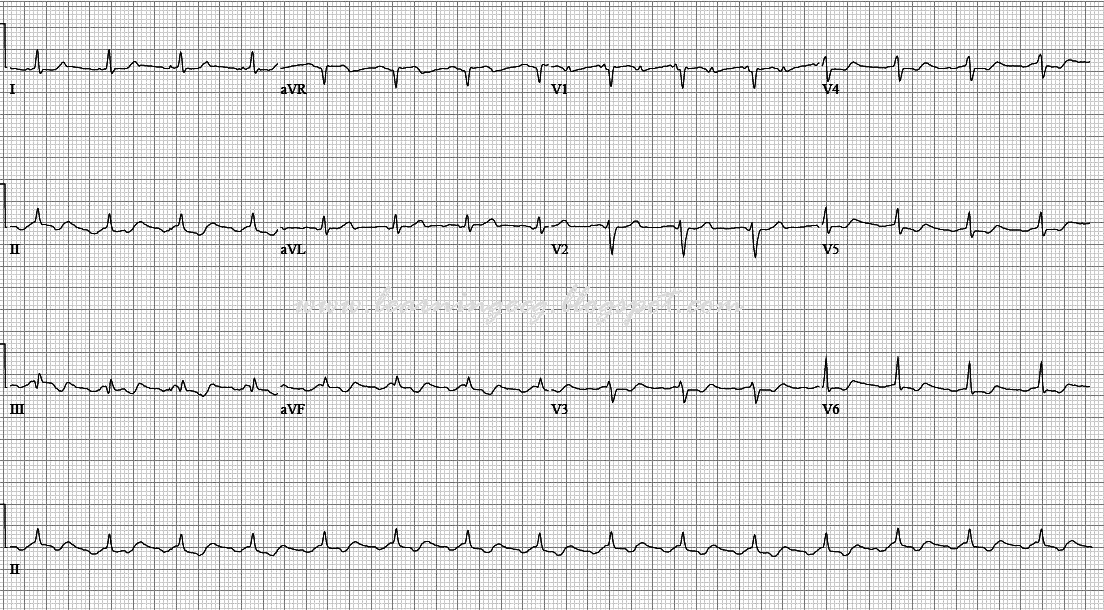
Atrial flutter is a regular supraventricular tachycardia characterized by an atrial heart rate between 240/min and 340/min (typically 300/min), atrioventricular (av) node conduction block, and a sawtooth pattern on an electrocardiogram (ecg). Atrial flutter is a supraventricular tachycardic arrhythmia that tends to occur in individuals of an advanced age, although it is linked to endurance sports, also. Afib and atypical aflutter requires more expertise and radiofrequency ablation has lower success rate. Atrial flutter is an abnormal cardiac rhythm caused by rapid atrial activity usually from reentry atrial circuits. 'coarse afib' has an f wave amplitude> 0.5 mm, which can mimic. Atrial flutter is an abnormal heart rhythm that occurs in the atria of the heart. For our 4th lesson, we continue our look at atrial and junctional arrhythmias.we start off talking about one of the most common arrhythmias that you will. Atrial flutter is a regular supraventricular tachycardia characterized by an atrial heart rate between 240/min and 340/min (typically 300/min), atrioventricular (av) node conduction block, and a sawtooth pattern on an electrocardiogram (ecg). The four channels on this ecg are run simultaneously, so if p waves or flutter waves are visible in one lead, they are also present in all leads that line up vertically with that one. Atrial flutter is the second most common pathological tachyarrhythmia. Differences between ecg wave strip patterns. Atrial flutter is a rapid regular atrial rhythm due to an atrial macroreentrant circuit. It's caused by an abnormal electrical circuit that makes the atria beat quickly and flutter instead of fully squeezing. Atrial flutter is an abnormal cardiac rhythm that appears as a rapid succession of identical. The ecg criteria to diagnose atrial flutter are discussed including clockwise and counterclockwise, typical vs atypical atrial flutter, and different conduction patterns such as 1:1, 2:1, 3:1, 4:1 and 5:1. Atrial flutter is less common, but has similar symptoms (feeling faint, tiredness, palpitations, shortness of breath or dizziness). An ecg is obtained and is shown below. Try the beta version of our ecg monitor challenge. Atrial flutter is one of the more common abnormal heart rhythms (arrhythmias). Which of the following is the most appropriate adjustment to this patient's medications? It may be difficult to distinguish atypical aflutter from coarse afib. Typical ecg findings include the presence of p waves and qrs complexes that have no association with each other , due to the atria and ventricles functioning independently. During atrial flutter the atria depolarize in an organized circular movement. Typical atrial flutter is widely known and recognised easily by clinical cardiologists however it does not always present a typical electrocardiographic pattern. This ecg provides an example of atrial flutter with variable conduction. Atrial flutter is an abnormality in the beating of the heart, also known as arrhythmias. Designed for use by medical professionals. Webmd provides a comprehensive look at the causes, symptoms, diagnosis, and treatment of atrial flutter and atrial fibrillation. It affects the upper heart chambers (atria). Sawtooth baseline → flutter waves. Distinguish atypical aflutter from coarse afib:
